Two Rainbows in the Drizzle
16 October 2026, Quayside, Newcastle
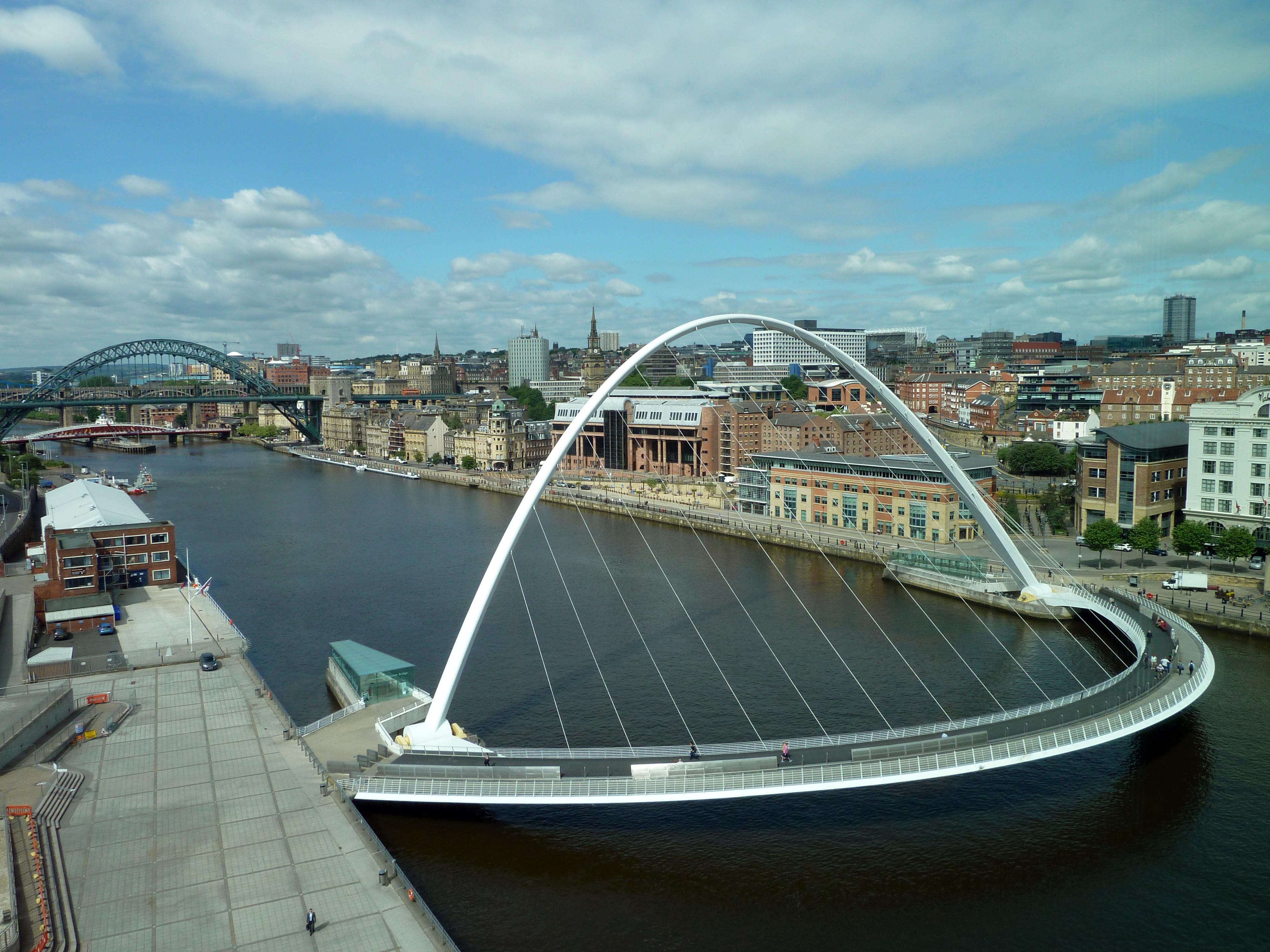

It was not quite raining. It was drizzling: one of those fine rains drifting over the Tyne that somehow wets you without seeming to. Mehmet abi and I were sitting across from one another for the first time in a long while. Behind him stood the doorway of an old stone building. Above it were a crowned golden lion, a white unicorn and a shield between them. On a blue ribbon beneath, four words were written: DIEV ET MON DROIT. God and my right.
I did not notice it then. Only afterwards did I realise that our whole conversation had taken place in the shadow of those words.
Mehmet abi spoke of God’s existence. Then, suddenly, he said, “Idhā jā’a naṣrullāhi wal-fatḥ,” and began translating that short chapter of the Qur’an: When God’s help and victory come, and you see people entering God’s religion in crowds, glorify your Lord with praise and ask His forgiveness. For He is ever accepting of repentance.
At the moment of the greatest victory, the command was to offer praise and seek forgiveness, rather than celebrate. Mecca had been conquered, yet there was another place still to be opened.
Then he turned to Yunus Emre:
Whoever does not look upon the seventy-two peoples in a spirit of oneness,
Though deemed a saint by religious law, is in truth rebellious.
To understand this couplet, he said, we first needed to turn to a hadith. It tells of the Muslim community dividing into seventy-three groups, only one of which would be saved. I listened, knowing that I did not possess the learning needed to grasp all that lay within it. But as I reflected afterwards, I began to see Yunus as turning that reading inside out. The person who counted himself among the “one” and looked down on the remaining seventy-two was, through that very gaze, leaving himself outside the door. Salvation was a way of seeing, beyond any label: looking upon others in a spirit of oneness.
To be one, Mehmet abi said, is to recognise goodness as coming from God and wrongdoing as coming from oneself. As our Prophet was counselled to repent and seek forgiveness on the day of victory. The opening of the self, as much as the conquest of Mecca.
As he spoke, the rain grew finer and a rainbow appeared in the sky. Then a second. One was bright; the other was its pale reflection, its colours reversed. Mehmet abi had not noticed. He continued speaking. As he said, “Praise belongs to Him,” he raised his thumb towards the sky.
His thumb was pointing towards the qibla, the direction of prayer.
Above our heads were two rainbows. Behind him, a stone doorway bearing the words “God and my right.” And in the air, a finger pointing, unawares, towards the qibla.
After seeing this, I wanted to fall silent.
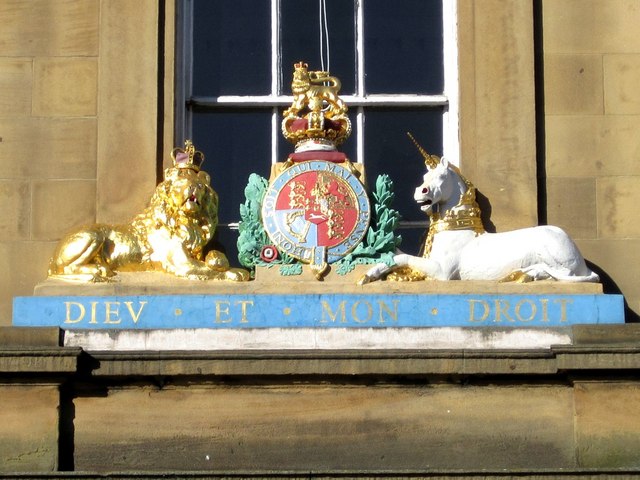
When I returned home, I thought about that word above the door: droit. Right.
The king was saying, “My right.” Yet for a servant of God, right belongs to al-Ḥaqq: the Truth, the Real. To become conscious of yielding to His right is praise. To recognise His gifts as coming from Him is gratitude. Perhaps this was what we experienced that day. The drizzle, the two rainbows, our looking towards the sky and towards one another became, together, a reading of the Qur’an, a silent remembrance of God. The chapter was on our tongues; its unfolding meaning was in the sky.
This story is not about the individuals. The one who spoke and the one who listened are both His creations. What matters is the witness borne by the shared spiritual presence within that conversation. Even our names are entrusted to us. Mehmet derives from the root of praise. Burak recalls the mount that travelled between the two qiblas. Both are trusts we have been given. What these lines record is the reflection and contemplation of two servants, watching His works beneath the rain.
I cannot prove this. Nor do I need to. I simply felt a fellowship reaching far beyond the words we exchanged.
I have written these lines in awareness of our need and our helplessness before Him. What was due to that moment was sealed. We wrote so that we might remember having witnessed that seal.